
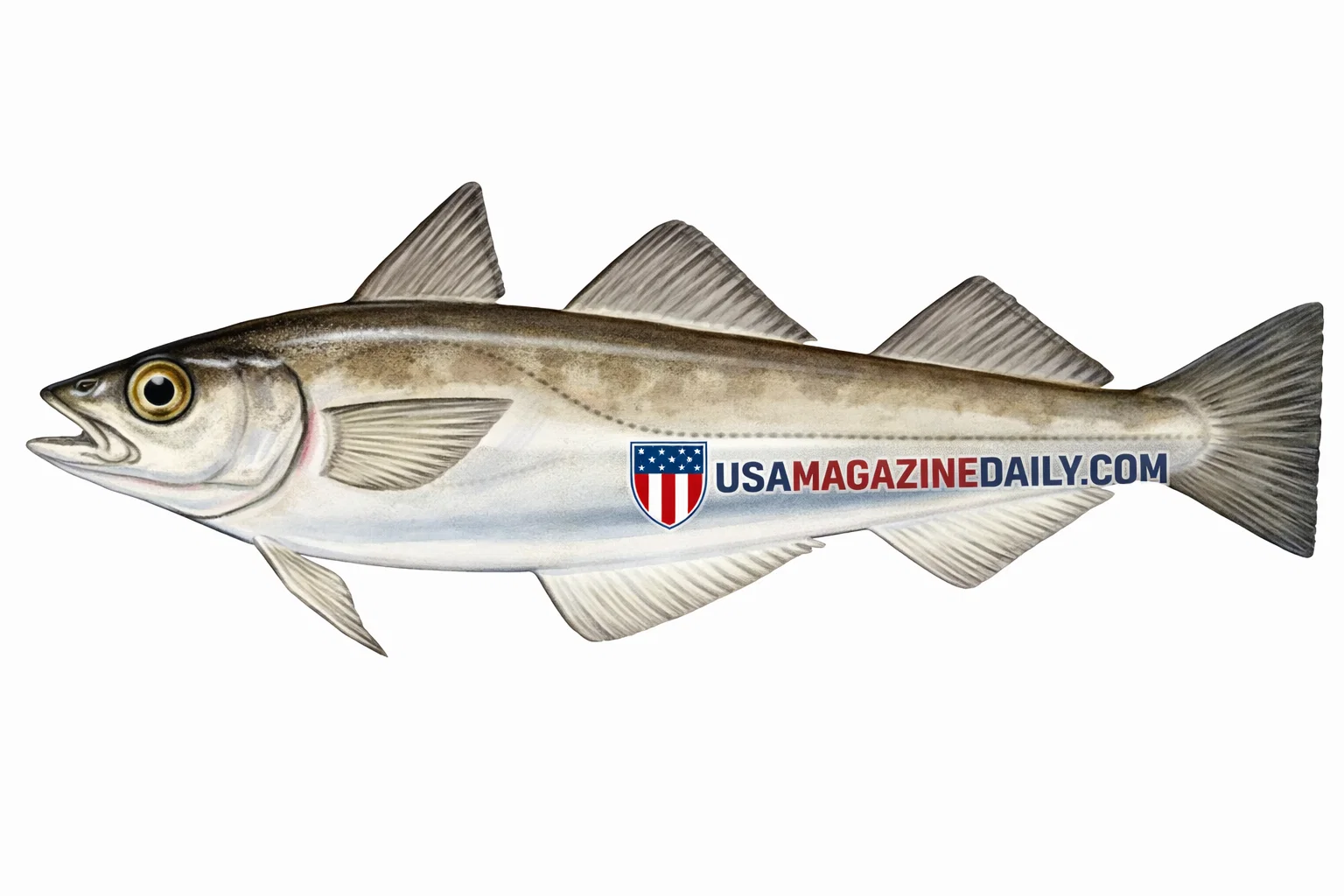
Alaskan Seiti in Modern Seafood Diets
Alaskan Seiti is a widely consumed white fish that has become an important part of global seafood eating habits. It is closely associated with Alaska Pollock, scientifically known as Gadus chalcogrammus, a species that thrives in cold northern waters. This fish is commonly used in everyday meals because it is light in taste, easy to cook, and fits well into modern health-focused diets.
In many regions, Alaskan Seiti is considered a lean protein fish that supports balanced eating. People who focus on clean eating seafood trends often include it in their weekly meal plans. The mild flavor allows it to blend with spices, sauces, and vegetables without overpowering the dish.
The seafood market has seen steady growth in demand for white fish species like this due to rising awareness of protein-rich meals. Alaskan Seiti is available in fresh and frozen forms, making it convenient for both home cooking and industrial food production. Its role in global food systems continues to expand as more people shift toward healthier dietary fish options.
Origin and Natural Habitat of Alaskan Seiti
Alaskan Seiti comes from cold ocean waters in the North Pacific region. It is mainly found in the Bering Sea fishery and the Gulf of Alaska, where the environment supports large populations of cold-water marine species. These waters are rich in nutrients, which help sustain fish growth and marine biodiversity.
This fish belongs to a group of whitefish species that thrive in deep and cold ocean habitats. The marine ecosystem in these areas is carefully monitored under NOAA fisheries and North Pacific fishery management systems. These organizations help regulate wild fisheries management and ensure stable fish populations for future generations.
Alaskan Seiti is wild-caught and plays an important role in Alaskan seafood production. The cold water marine habitat supports a natural feeding environment that contributes to its lean body structure. Because of its stable population and careful management, it remains one of the more sustainable seafood options available in the global fish industry.
Nutritional Profile of Alaskan Seiti
Alaskan Seiti is known for its strong nutritional value and is often considered a nutrient-dense fish. It provides a balanced combination of protein, vitamins, and minerals while remaining low in fat and calories. This makes it suitable for people who want healthy seafood options in their daily diet.
It contains high-quality protein that supports muscle growth and repair. The fish also provides omega-3 fatty acids, including EPA and DHA, which are linked to heart and brain health. These nutrients play a key role in maintaining overall body function and supporting long-term wellness.
Alaskan Seiti is also rich in vitamin B12, which helps with energy production and nervous system support. Minerals like selenium and iodine contribute to thyroid health and immune system strength. Because it is a low mercury fish, it is considered safe for regular consumption compared to many larger fish species.
This combination of nutrients makes it a popular choice in healthy fish diet plans, especially for people focusing on balanced nutrition seafood meals.
Health Benefits of Alaskan Seiti
The health benefits of Alaskan Seiti are linked to its rich nutrient composition. Regular consumption supports heart health due to the presence of omega-3 fatty acids. These fats help maintain healthy cholesterol levels and improve cardiovascular function.
Brain function also benefits from DHA, a key component found in this fish. It supports memory, focus, and cognitive performance, making it valuable in brain development nutrients for both children and adults. Many people include it in their diets to support mental clarity and long-term brain health.
It is also useful for weight management because it is a low-calorie protein source. People following lean diet food options often rely on it as a main protein in meals. The fish supports muscle recovery while keeping calorie intake controlled.
Alaskan Seiti also supports immune health due to selenium and iodine content. Its anti-inflammatory seafood properties help reduce internal stress in the body. This makes it suitable for heart-friendly diet foods and clean eating plans focused on long-term wellness.
Seafood Industry and Global Importance
Alaskan Seiti plays a major role in the global fish industry. It is widely processed and distributed across international seafood markets. The fish is used in various forms such as fillets, frozen blocks, and processed seafood products.
Fish processing facilities turn it into fish sticks, surimi, and fast food fish items that are sold worldwide. These products are part of modern packaged frozen seafood systems that ensure year-round availability. The fish supply chain includes harvesting, freezing, storage, and global transport.
Its role in global fish trade is significant because it provides affordable protein to many countries. It supports food security seafood needs, especially in regions where access to fresh protein is limited. The fish industry relies on stable production from wild ocean fisheries to maintain supply balance.
Alaskan Seiti continues to be a key species in industrial seafood production due to its high availability and versatility.
Cooking Uses and Popular Seafood Recipes
Alaskan Seiti is widely used in seafood cuisine because it adapts well to different cooking methods. It has a soft flaky texture and a mild flavor white fish profile that works in many dishes.
Common cooking methods include baking, grilling, pan-frying, steaming, and preparing fish soup. These methods help retain its natural texture while enhancing taste through seasoning and herbs. It absorbs seasoning well, making it suitable for garlic lemon fish recipes and herb baked fish meals.
It is also used in everyday seafood meals such as fish tacos, fish casseroles, and simple meal prep ideas. Families often prefer it because it cooks quickly and pairs well with vegetables and grains.
In home cooking, Alaskan Seiti is valued for its beginner-friendly seafood nature. Even people with limited cooking experience can prepare it easily, which adds to its popularity in global kitchens.
Frozen Products and Industrial Use
A large portion of Alaskan Seiti is used in frozen seafood production. The packaged frozen seafood market depends heavily on this fish due to its stability and availability throughout the year.
It is processed into fish fillets, fish sticks, and surimi products that are sold in supermarkets and fast food chains. These processed fish products are widely consumed because they are convenient and affordable.
The freezing process helps maintain quality during transportation and storage. This makes it an important part of the global seafood supply chain. Industrial seafood production ensures that consumers have access to consistent protein sources regardless of season.
Alaskan Seiti remains one of the most reliable fish species for mass food production systems.
Sustainability and Fishing Practices
Sustainability is an important part of Alaskan Seiti fishing. The species is managed through responsible fishing practices that protect marine ecosystems and fish populations.
Wild fisheries management systems regulate catch limits and monitor population health. Organizations like NOAA fisheries ensure that harvesting does not harm the long-term stability of the species.
Sustainable fishing practices also protect the cold water marine habitat where the fish lives. These methods support eco-friendly seafood choices and help maintain balance in ocean ecosystems.
Seafood sustainability awareness has increased globally, and Alaskan Seiti is often highlighted as a responsibly managed fish. This makes it a preferred option for environmentally conscious consumers.
Alaskan Seiti vs Other White Fish
Alaskan Seiti is often compared with other white fish such as cod and haddock. These fish share similar nutritional profiles but differ slightly in texture and taste.
Alaskan Seiti has a softer texture and a milder flavor, making it suitable for processed seafood products. Cod is slightly firmer, while haddock has a stronger taste. All three are high in protein and low in fat.
Alaskan Seiti is often used as a cod-like fish substitute in many recipes. It is also more affordable in many markets, making it a budget-friendly fish option for households.
Its versatility and availability make it a strong competitor in the global seafood market.
Who Can Eat Alaskan Seiti
Alaskan Seiti is suitable for a wide range of people. It is often included in protein-rich meals for individuals focusing on fitness and health goals.
It is a good choice for children due to its mild taste and easy digestion. Pregnant women may also consume it as a safe seafood option because of its low mercury levels.
Elderly individuals benefit from its soft texture and high nutritional value. It also fits well into healthy fish diet plans designed for weight control and balanced nutrition.
Its adaptability makes it a family-friendly fish dish option used in many households.
Food Safety and Consumption Notes
Alaskan Seiti is considered safe for regular consumption. It has low toxin seafood properties, which make it a reliable protein source.
Proper storage is important to maintain quality. Frozen fish should be kept at controlled temperatures and thawed gradually before cooking. It should always be cooked thoroughly before eating.
Refreezing after thawing is not recommended as it may affect texture and quality. Following proper handling practices ensures safe consumption and better taste.
These practices help maintain its value as a fish for regular consumption in global diets.
Role in Marine Ecosystem and Fisheries
Alaskan Seiti plays an important role in the marine ecosystem of the North Pacific. It contributes to the ocean food chain and supports biodiversity in cold water environments.
The nutrient-rich ocean waters provide a stable environment for growth and reproduction. This balance is essential for maintaining wild ocean fisheries.
Fisheries management systems help protect this ecosystem through regulated harvesting. These efforts ensure that marine life remains stable while supporting human food needs.
Everyday Use in Modern Diets
Alaskan Seiti is widely used in modern meal planning due to its convenience and nutritional value. It fits well into protein-rich meals and balanced diets.
It is often included in fish meal prep ideas because it cooks quickly and pairs easily with vegetables, rice, and salads. Many people prefer it as a main protein source in weekly diets.
Its affordability and availability make it a practical choice for everyday seafood meals. It supports healthy eating habits without requiring complex cooking methods.
Economic and Global Seafood Value
Alaskan Seiti contributes significantly to the global seafood economy. It supports jobs in fishing, processing, packaging, and transportation industries.
It is part of global seafood consumption trends and plays a role in international trade systems. Its consistent supply helps stabilize seafood markets worldwide.
The fish industry relies on species like Alaskan Seiti to meet growing protein demand in both developed and developing regions.
Conclusion
Alaskan Seiti remains an important white fish in global diets due to its nutrition, affordability, and versatility. It supports heart health, brain function, and overall wellness while fitting into modern healthy eating patterns.
Its role in sustainable fisheries and global food systems makes it a reliable seafood choice. From home cooking to industrial production, it continues to serve as a key protein source for millions of people worldwide.
FAQs
What is Alaskan Seiti
It is a cold-water white fish commonly linked to Alaska Pollock used in seafood products.
Is Alaskan Seiti healthy
Yes it is rich in protein omega-3 vitamins and low in fat and mercury.
How is Alaskan Seiti used in cooking
It is used in baking grilling frying steaming soups and seafood dishes.
Is it safe for regular eating
Yes it is considered a low mercury fish suitable for regular consumption.
Why is Alaskan Seiti popular
Because it is affordable widely available and used in many processed seafood products.
